
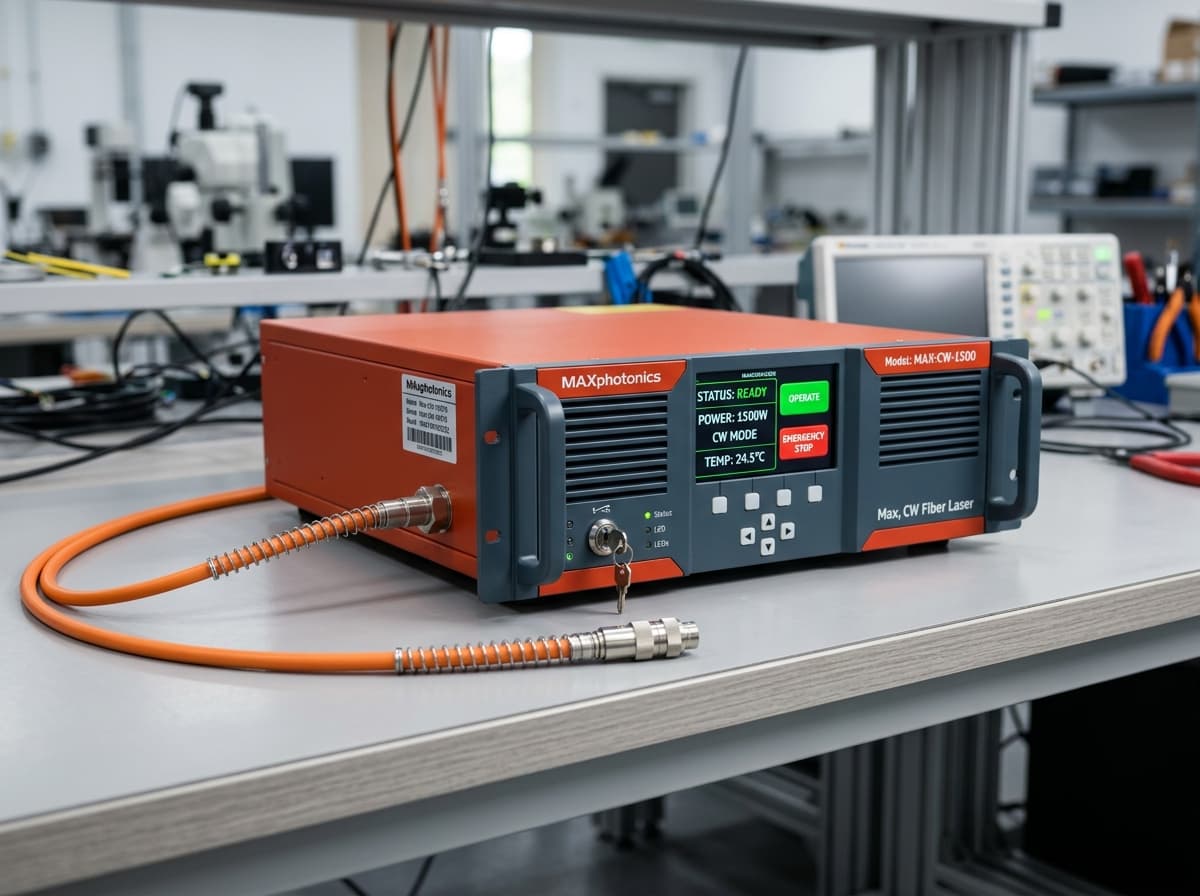
Maxphotonics Laser Resonators in the Indian Market
High Wall-Plug Efficiency and Power Consumption
Max sources achieve electrical-to-optical conversion efficiencies of 32% to 37%, reducing electrical draw compared to older generation laser sources and cutting monthly electricity expenses.
Cutting Speeds and Thin Sheet Metal Dynamics
On 1mm to 4mm stainless steel and mild steel, Max single-module lasers deliver high feed rates with clean, dross-free edge quality when paired with autofocus cutting heads like RayTools or WSX.
Operational Challenges in Humid Indian Climates
Domestic Repairability & Spares Support in India
Final Recommendation on Maxphotonics Lasers
Back-Reflection Physics: Safely Cutting Brass, Copper & Aluminum
Symptoms of Back-Reflection Damage in Laser Sources
Initial signs of back-reflection damage include intermittent "Optical Reflection Alarm" trips, rapid burning of protective cover slides in the cutting head, and warm armored delivery cables during copper cutting.
Cleanroom Optical Isolator & Photodiode Recalibration
When back-reflection damage occurs, we open the combiner housing in our ISO Class 7 cleanroom, replace scorched beam dumps and damaged sensor photodiodes, and recalibrate threshold voltages using precision laser test benches.
Chiller Water Quality, Conductivity & Dew-Point Condensation Prevention
Recommended Chiller Setpoint Formula for Indian Workshops
To prevent internal condensation, the laser source water temperature (low-temperature circuit) should be set strictly 2°C to 3°C above the ambient workshop dew point, while the cutting head water circuit (high-temperature circuit) is typically maintained between 28°C and 30°C.
Periodic Coolant Flushing & Filter Replacement Schedule
Drain and flush chiller deionized water every 3 months. Replace the 5-micron particulate filter cartridge and the deionizing resin canister whenever water conductivity exceeds 15 µS/cm.
Standard Preventative Maintenance Checklist for Machine Technicians
Electrical Grounding & Surge Suppression Protocol
Industrial fiber laser power supplies are highly sensitive to neutral float and electrical surges from nearby welding sets or induction furnaces. Always maintain a dedicated copper earth pit with grounding resistance below 3 Ohms.
Proper Optical Protective Glass Cleaning Technique
Clean optical lenses only with 99.9% spectrophotometric-grade isopropyl alcohol and lint-free optical wipes. Wipe in a single spiral motion from center to edge; never scrub back and forth.
Maxphotonics Laser Source: Strengths vs. Considerations
Comparing domestic cleanroom restoration versus alternative factory procurement options in India.
| Parameter | Maxphotonics Strengths | Operational Considerations |
|---|---|---|
| Electrical Efficiency | High (32%–37% wall-plug conversion) | Requires stable electrical supply |
| Cabinet Footprint | Compact, space-saving enclosure | Ensure adequate ventilation around cabinet |
| Thin Sheet Cutting Speed | Fast feed rates with smooth edge finish | Optimize focus and gas pressure settings |
| Dew-Point Sensitivity | Advanced internal protective sensors | Set chiller water strictly above dew point |
| Local Repair Support | 24–48h SLA at TriQuench India cleanroom | Always request genuine replacement spares |
Frequently Asked Questions (Real Queries)
Direct, factual answers prepared by our senior optical engineers.
Are Maxphotonics laser sources reliable for heavy cutting?
Yes, Maxphotonics sources are reliable for continuous production when operated within proper chiller temperature parameters. They deliver high electrical efficiency and fast cutting on thin-to-medium steel.
What is the most common issue with Max laser sources in India?
The most common issue with Max lasers in India is internal dew-point condensation tripping during humid monsoon weather when water chiller temperatures are set too low relative to ambient air.
How does Max compare to Raycus in cutting performance?
Max and Raycus deliver comparable cutting speeds on mild and stainless steel. Max offers slightly better electrical efficiency and a more compact cabinet, while Raycus has slightly wider technician familiarity in India.
Can a damaged Max laser source be repaired locally in India?
Yes, TriQuench India provides cleanroom optical splicing, diode balancing, and QBH replacement for Max sources at our Ahmedabad service center in 24 to 48 hours with 100% bench testing and certified technical support.
What is the lifespan of a Max fiber laser source?
A Max fiber laser source has an estimated operational lifespan of 80,000 to 100,000 hours under proper environmental conditions and routine preventative maintenance.
Content Director of TriQuench India • Director
12+ Years Industrial Laser Experience [VERIFY]
Specialist in Class 10,000 cleanroom optical fusion splicing, high-power pump diode array balancing, and Raycus, Max, IPG & JPT optoelectronics. Supervised over 500+ laser source repairs across India.